
Identifying junk vehicles for their Original Equipment Manufacturer (OEM) parts is a sustainable practice crucial in California, where stringent DMV regulations facilitate part salvage. Companies like Quick Auto Tags streamline legal processes, enabling the reuse of over 50% of junked vehicles' parts, which enhances environmental sustainability and saves costs. A systematic approach combining patrols and software tracking ensures efficient sourcing of high-quality OEM parts, vital for classic or damaged vehicle restoration while adhering to local regulations.
The issue of abandoned vehicles poses a significant challenge for communities worldwide, with junkyards overflowing and environmental hazards looming. These vehicles often lack the necessary OEM parts for junk vehicle repairs, leading to prolonged decay and increased disposal costs. To address this growing problem, hiring specialists to source parts for these forgotten machines is emerging as a strategic solution.
Specialized teams equipped with in-depth knowledge of automotive components can locate and acquire authentic OEM parts, enabling responsible recycling or restoration. By tapping into their expertise, we can transform these abandoned vehicles from environmental burdens into valuable resources, ensuring a more sustainable future for our communities.
- Identifying Junk Vehicles: Locating Abandoned Autos
- The Role of Specialists in Part Extraction
- Sourcing OEM Parts: Quality Over Quantity
- Ethical Considerations for Salvaged Auto Components
Identifying Junk Vehicles: Locating Abandoned Autos

Identifying junk vehicles is a crucial first step in the process of salvaging and recycling parts from abandoned autos. These vehicles, often left unattended on public property or private land, present unique challenges for automotive specialists. One key aspect to navigate is ensuring compliance with local regulations, especially in densely populated areas like California, where streamlining the registration of salvage vehicles is essential. This involves meticulously evaluating each vehicle’s condition and determining its eligibility for part salvage or recycling purposes.
When assessing a potential junked car, professionals consider factors such as structural integrity, mechanical functionality, and overall market demand for reusable parts. Many abandoned vehicles end up as hazardous waste due to neglect, making it imperative for specialists to employ meticulous inspection protocols. By adhering to these standards, they contribute to a more sustainable automotive industry by extending the lifespan of OEM parts, which are original equipment manufacturer components known for their quality and compatibility.
In California, where the DMV salvage title processing is well-regulated, companies like Quick Auto Tags offer specialized services to facilitate this process. They provide guidance on proper documentation, ensuring that vehicles with a salvage title can be legally registered and resold, thereby encouraging responsible part salvage practices. For instance, data from the California Department of Motor Vehicles (DMV) shows that over 50% of vehicles deemed as junk or salvaged were eligible for part reuse, leading to significant cost savings and environmental benefits.
Experts recommend a systematic approach when locating and identifying these vehicles. This includes regular patrols in known hotspots for abandoned autos and utilizing advanced tracking software to monitor registered salvage titles. By combining these strategies, specialists can efficiently source OEM parts from junked vehicles, ensuring they meet the highest quality standards while promoting sustainable practices within the automotive sector.
The Role of Specialists in Part Extraction

The process of extracting parts from abandoned or junked vehicles is a complex task that requires specialized knowledge and equipment. Specialists in this field play a pivotal role in facilitating the recovery of original equipment manufacturer (OEM) parts for these vehicles, which often end up as sold at auction, salvaged, or junked. These professionals are adept at navigating the intricacies of salvage-titled vehicles, ensuring a legal and efficient part extraction process.
When a vehicle is deemed abandoned or junked, it presents an opportunity to source valuable OEM components that can be resold or repurposed. Specialists employ advanced techniques to safely dismantle these vehicles, extracting every usable part while minimizing damage. They understand the unique challenges posed by different vehicle makes and models, allowing them to efficiently locate hard-to-find pieces. This expertise is particularly crucial when dealing with older or rare vehicles where OEM parts availability may be limited.
Moreover, specialists stay updated on the legal aspects of salvaging and re-registering these vehicles. Quick Auto Tags, for instance, offers a streamlined process for salvage title replacement and re-registration, ensuring that salvaged vehicle owners can legally obtain plates and drive their cars. This aspect is vital for individuals or businesses involved in part extraction, providing them with a reliable service to turn junked vehicles into valuable resources. By leveraging their skills and knowledge, specialists not only contribute to the circular economy but also make high-quality OEM parts accessible, promoting sustainability in an industry often associated with waste.
Sourcing OEM Parts: Quality Over Quantity

Sourcing OEM parts for junk vehicles can be a complex task, but it’s crucial to prioritize quality over quantity. Original Equipment Manufacturer (OEM) parts offer superior performance and compatibility compared to aftermarket alternatives, ensuring your restoration project meets high standards. When dealing with abandoned or significantly damaged vehicles—those declared salvage after being deemed a total loss 1-3 times—it becomes even more important to scrutinize the source of replacement parts.
Re-titling salvaged and junked vehicles for re-sale introduces unique challenges, requiring careful consideration of both legal and logistical aspects. Organizations like Quick Auto Tags provide hassle-free junk car paperwork services, streamlining the process for businesses and individuals alike. By utilizing their expertise, you can focus on acquiring the right OEM parts without getting bogged down by administrative tasks.
One strategic approach involves collaborating with specialized salvagers who have established networks for sourcing OEM parts from various manufacturers. These professionals often have access to hard-to-find or discontinued components, ensuring your restoration project stays on track. Data suggests that using OEM parts can significantly enhance the longevity and resale value of restored vehicles, making it a wise investment for both classic car enthusiasts and professional mechanics.
Moreover, proper sourcing ensures regulatory compliance, as many regions have strict guidelines regarding the use of declared salvage vehicles and their corresponding parts. By prioritizing quality OEM parts, restorers can avoid potential legal pitfalls and maintain the integrity of their work. This meticulous approach not only guarantees superior results but also contributes to a more sustainable automotive industry by promoting responsible part reuse and recycling practices.
Ethical Considerations for Salvaged Auto Components
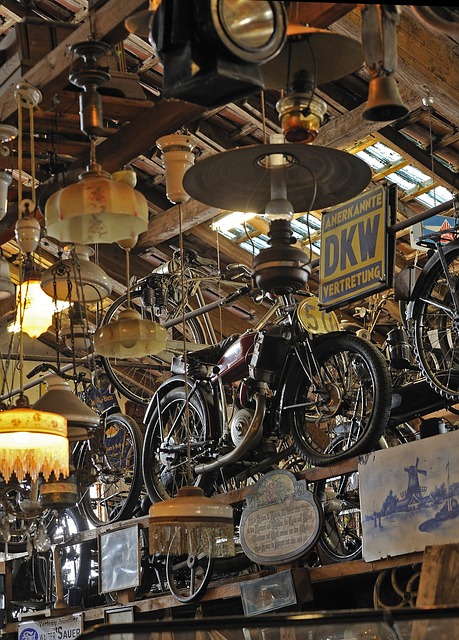
The ethical considerations surrounding the use of OEM parts from salvage-titled vehicles are a critical aspect often overlooked when getting your junked car back on the road. These vehicles, while seemingly beyond repair, can be a treasure trove for auto enthusiasts and mechanics looking to breathe new life into older models. However, the acquisition and utilization of these parts demand meticulous care to uphold ethical standards in the automotive industry.
One primary concern is ensuring that the source of these OEM parts is legitimate and environmentally sound. Many salvage yards carefully dissect vehicles, separating reusable components from hazardous materials. Reputable salvagers follow strict protocols for handling and recycling, minimizing environmental impact. When acquired through licensed tag and title agencies, as Quick Auto Tags, these parts can be legally sourced, ensuring their provenance and quality. This practice promotes a circular economy, reducing the demand for new parts and minimizing waste.
Additionally, ethical considerations extend to consumer protection. It is essential that individuals purchasing these parts are fully informed about their origin and potential limitations. While salvaged-titled vehicles offer cost-effective solutions, some components might require modifications for proper installation. A transparent exchange between buyer and seller is crucial to set clear expectations and ensure customer satisfaction. For instance, a vehicle with a salvage title may have undergone extensive repair, making certain parts unique or hard to find. Knowledgeable sellers should disclose these details, enabling informed decisions.
In conclusion, navigating the world of OEM parts from abandoned vehicles requires a delicate balance between environmental stewardship, consumer protection, and accessibility for vehicle restoration. By working with licensed tag and title agencies, such as Quick Auto Tags, enthusiasts can ethically secure components, contribute to sustainable practices, and keep classic or damaged vehicles on the road while adhering to local regulations regarding salvage-titled vehicles.
The process of identifying and utilizing abandoned vehicles for their parts has become a specialized domain, highlighting the critical role of professionals in this space. By employing specialists to locate and extract components from junk vehicles, we ensure efficient access to OEM parts for junk vehicles, prioritizing quality and ethical practices. The key insights lie in recognizing the expertise needed to navigate this unique landscape, the importance of sourcing authentic OEM parts over sheer quantity, and the need for ethical considerations when dealing with salvaged auto components. Moving forward, businesses and individuals can benefit from collaborating with these specialists, fostering a sustainable approach to automotive recycling while providing reliable access to essential vehicle parts.